
Happy Death By Chocolate
Many people may disagree with me, but I said what I said, and I stand by it. Nothing satisfies a sweet-tooth craving quite like chocolate. Yes, I am a fanatic for fresh, fruity desserts, but there’s something about the sweetness and richness of chocolate that makes me go, “I am satisfied!” Maybe you could have guessed it from my enthusiasm, but chocolate is one of the most loved foods in the world. It appears in everything from candy bars to desserts and drinks.
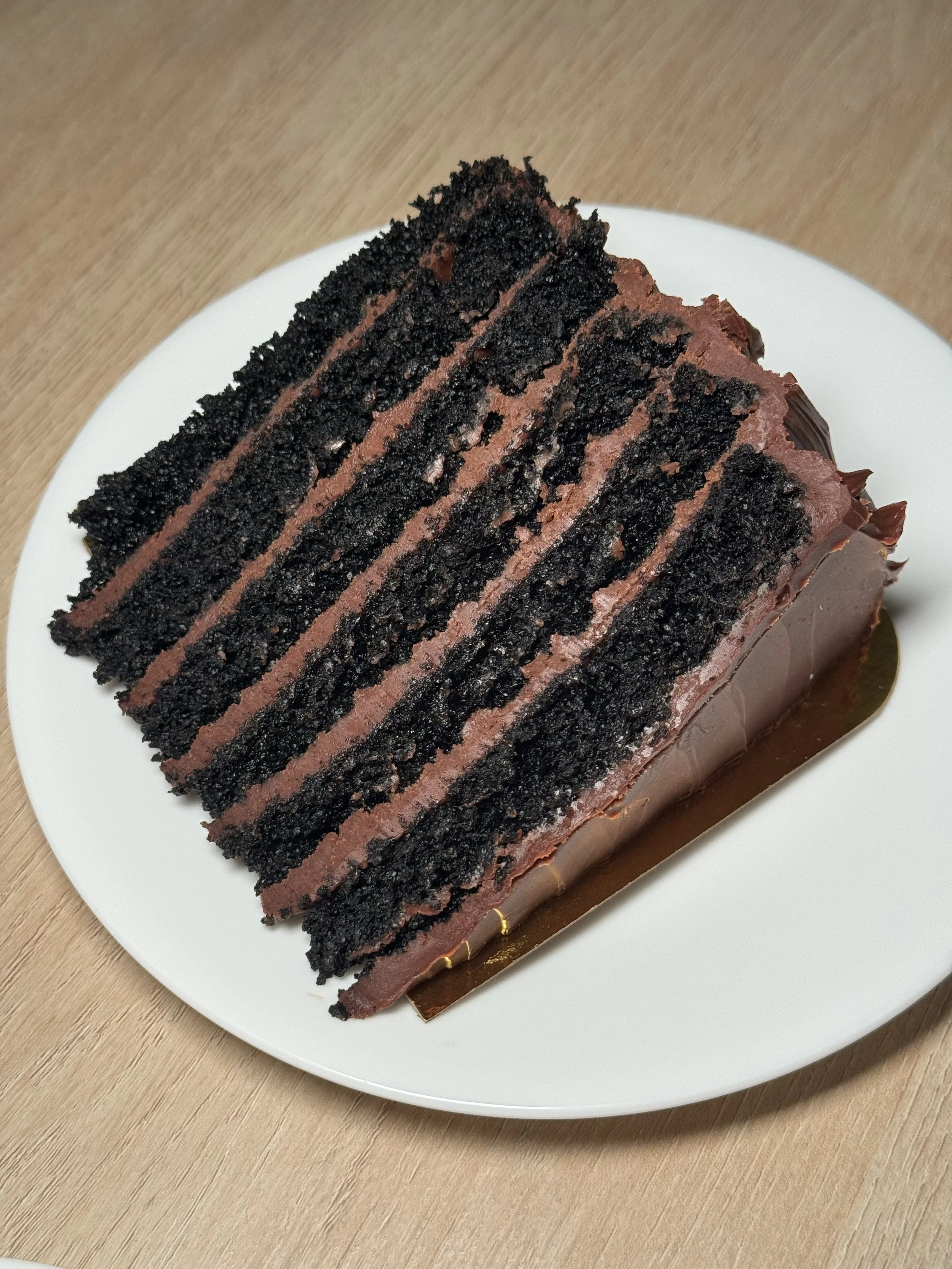
When we think of chocolate, we usually think of milk or dark chocolate. However, chocolate as an ingredient is vast and diverse. In reality, there are several different kinds of chocolate, each with varying colors, levels of sweetness, and flavor profiles. Every type has its own ingredients, characteristics, and purpose. Understanding these varieties can help you appreciate chocolate on a whole new level.
Dark chocolate is widely known for its rich, intense flavor. It contains cocoa solids, cocoa butter, sugar, and little to no milk. When you see a percentage listed on a dark chocolate bar, it refers to the amount made up of cocoa solids and cocoa butter. Higher percentages usually mean a stronger, more bitter taste, while lower percentages are lighter and generally sweeter. Dark chocolate is often used in baking and is popular among those who enjoy bold flavors. Give me a dark chocolate chip cookie with Maldon salt sprinkled on top any day of the week!
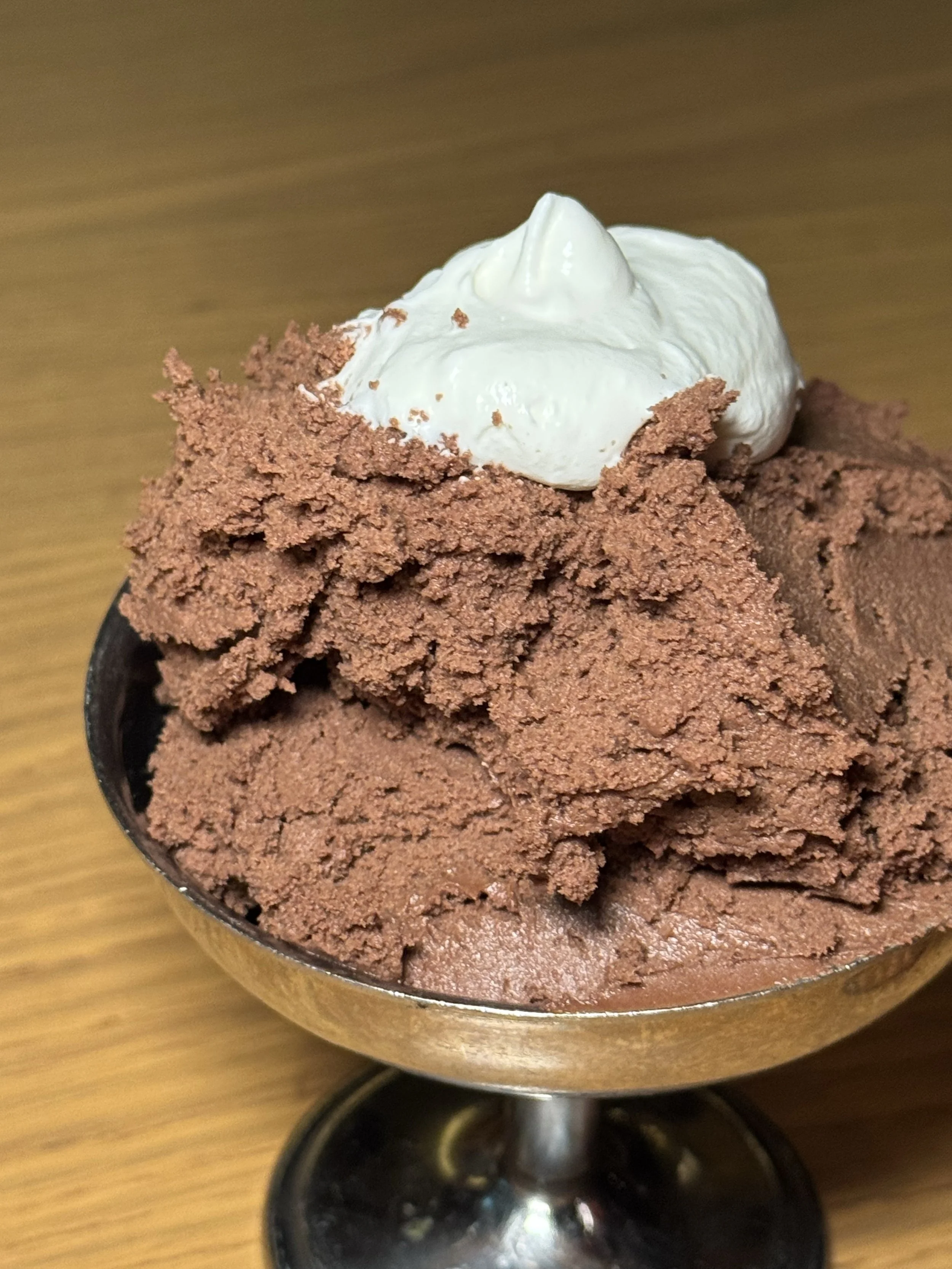
Milk chocolate is the most commonly consumed type of chocolate and is used in many candy bars and desserts. Milk chocolate includes cocoa solids, cocoa butter, sugar, and milk powder or condensed milk. The added milk gives it a creamy texture and a sweeter, smoother flavor compared to dark chocolate. Milk chocolate is my go-to whenever I need a quick sugar pick-me-up. And milk chocolate ice cream? Absolute gold.
Although the name may be confusing, white chocolate is technically considered a type of chocolate, even though it does not contain cocoa solids. Instead, it is made from cocoa butter, sugar, and milk. Because it lacks cocoa solids, white chocolate has a mild, sweet, and creamy taste rather than the classic chocolate flavor. It is often used for dessert decorations or paired with fruits like strawberries or raspberries, aka the GOAT combinations.
Ruby chocolate (not biased at all because of the name—hehe—but truly one of my favorites) is a variety that stands out because of its natural pink color. Made from specially processed cocoa beans, ruby chocolate has a fruity, slightly tangy flavor. Many people assume ruby chocolate is mixed with other ingredients to achieve its color, but it is typically made without any added food coloring or fruit flavoring. Gorgeous and sweet, totally my style.
There are also other ways to categorize chocolate, such as single-origin chocolate, which is made from cocoa beans grown in a specific region or country, or compound chocolate, which replaces cocoa butter with vegetable fats. Each variety of chocolate has its own purpose, taste, and fan base, making it a consistently beloved ingredient. Exploring these different types can make eating chocolate even more enjoyable, and something to truly look forward to when critiquing or experiencing a new dish.