
Slice, dice, and cut
A couple weeks ago, I was cooking at my aunt’s house when I had a realization. Her knives sliced through vegetables and meat like butter. Every cut took barely any effort, and the pieces came out far more uniform than the uneven chunks I usually end up with at home. One look at her knives told me exactly why. Her blades were regularly sharpened and well maintained because she genuinely used and cared for them.
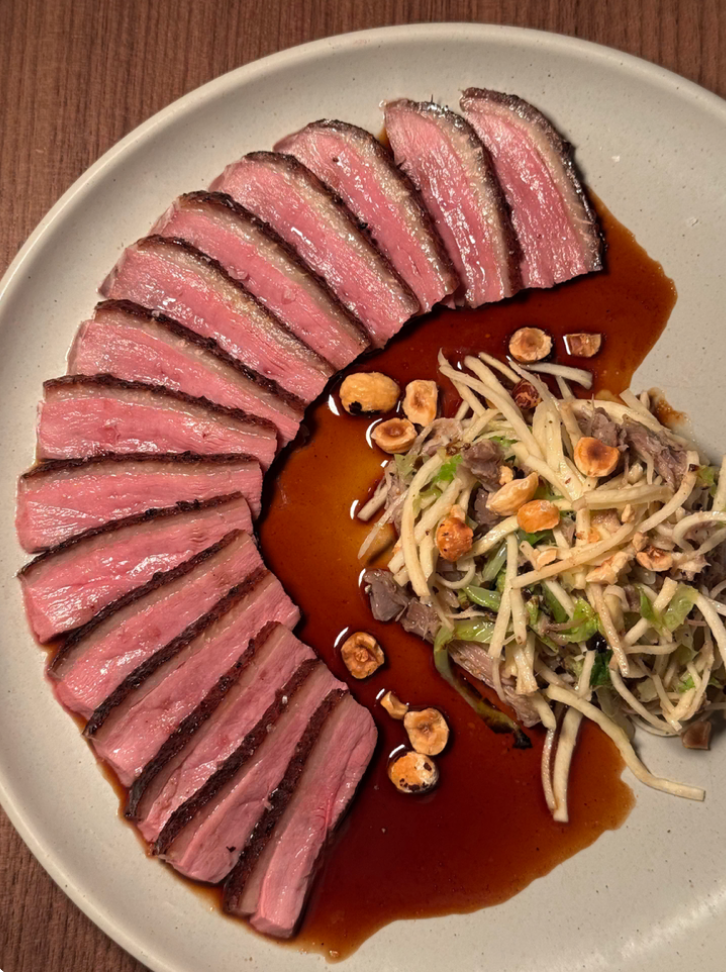
I used to think professional knife maintenance felt unnecessary for someone like me who mostly cooks quick and simple meals at home. But the difference was not just visual, it was tactile. Cooking suddenly felt smoother, easier, and honestly more enjoyable. Whether it is an omakase chef or a butcher, most professionals will tell you their knives are the most important tools in the kitchen. No matter how expensive or high quality a knife is, it is only as good as its edge.
While researching this topic, I learned that a dull knife is actually far more dangerous than a sharp one. A dull blade requires significantly more pressure to cut through food, which increases the chance of slipping off a round onion or stubborn carrot. More force means less control, and less control means more accidents.
What surprised me most was learning that knife sharpness can even affect the taste and texture of food. A sharp blade cleanly slices ingredients while a dull blade crushes them. Herbs like basil and cilantro bruise easily under a dull knife, turning dark and bitter faster. Crushing onions releases more of the compounds that make you cry, and when slicing meat, a clean cut helps retain more juices. It is fascinating how even the way we treat ingredients can impact flavor.
As someone who values convenience and saving money but has also started cooking at home more often, I have realized that good kitchen tools are genuinely worth investing in. Knives can be expensive, but proper maintenance extends their lifespan significantly. Using a honing rod helps maintain the blade between sharpenings, while occasional sharpening restores the edge itself. If a knife becomes too dull, restoring it requires grinding away much more metal, which can shorten the life of the blade over time.
This does not mean I am suddenly starting a massive knife collection or learning how to sharpen blades professionally in my apartment. But I am committed to keeping my two go to knives in good condition from now on. I even found a local shop that sharpens knives for me because, honestly, doing it myself still sounds intimidating. Still, I finally understand why people care so much about their knives. A properly sharpened blade really does change the entire cooking experience.