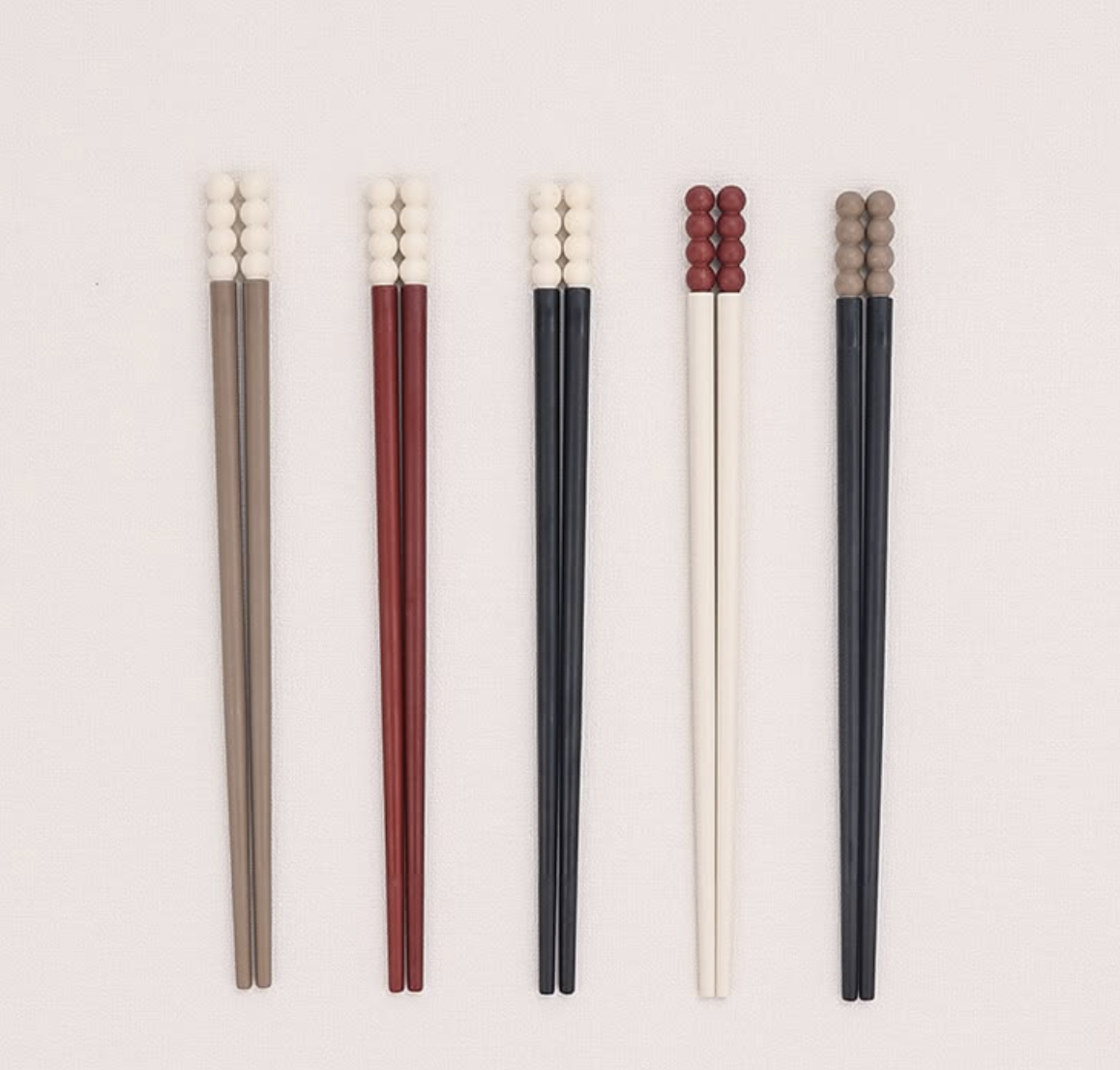
The Chopstick Divide
One of the biggest disagreements my boyfriend and I have is about chopsticks.
We’re both Korean, but we grew up using completely different ones. He’s loyal to thin, silver metal chopsticks. I’ll defend thick wooden ones like it’s a personality trait. When we moved in together, this somehow became a real argument. (We now own both and rotate because, yes we compromise.) But it made me realize something: why does something so small feel so personal?
Because chopsticks aren’t just chopsticks.
Across East Asia, their shape, weight, and material are designed around how people eat, quiet reflections of culture, environment, and everyday life.
In China, meals are built around sharing. Dishes fill the table, meant to be reached for, passed around, and eaten together. Chinese chopsticks, kuàizi, are longer (about 10–12 inches), thicker, and finished with blunt ends. That extra length makes reaching across the table easy, while the broader tips help scoop rice when you bring the bowl close. Most are made from wood or bamboo—practical, durable, and meant for daily use.
In Japan, precision takes over. Chopsticks, hashi, are shorter and tapered to a fine point. Designed for detail, they’re ideal for eating whole fish, letting you separate flesh and pick out tiny bones with care. There’s an elegance to them—something intentional, almost quiet in the way they’re used.
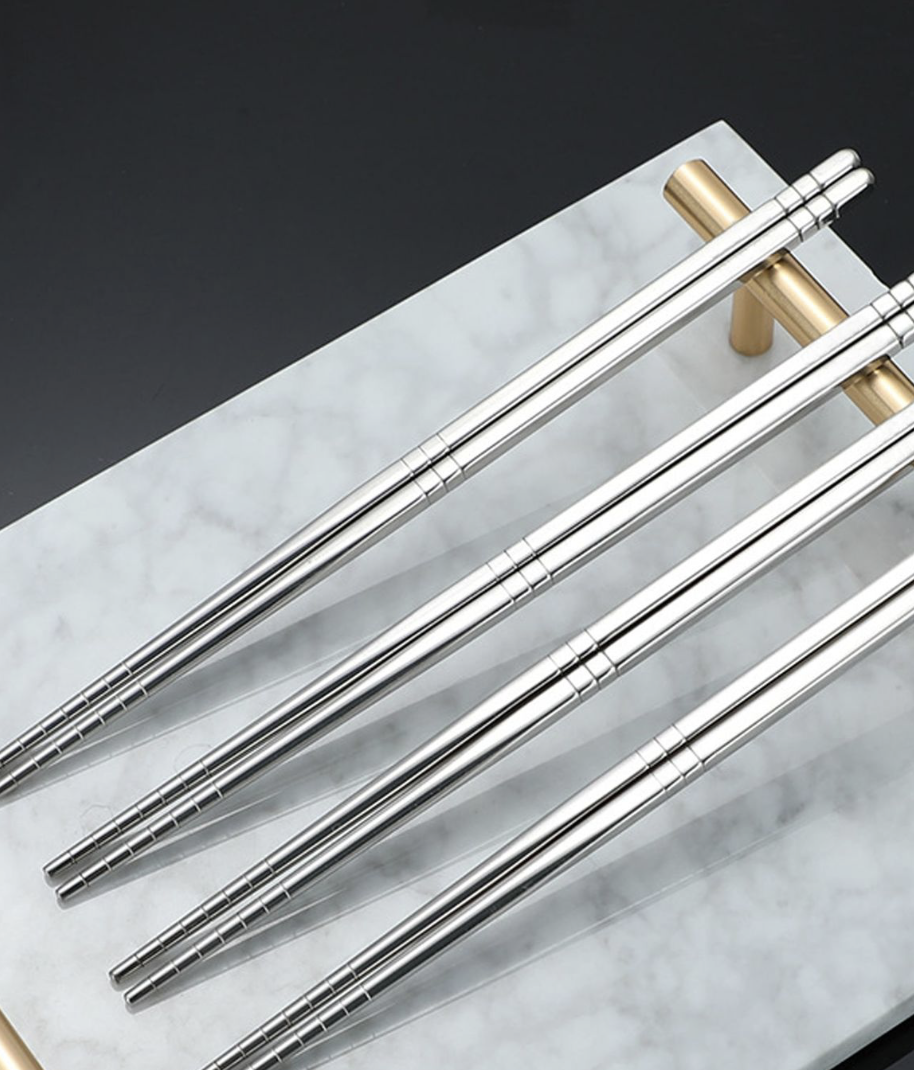
And then there’s Korea, the reason this entire debate exists in my apartment. Korean chopsticks are flat, thin, and made of stainless steel. They’re usually paired with a matching spoon, because Korean meals rely on both. The design keeps them from rolling, but the slim, weighted feel makes them harder to control; they are less forgiving, more precise. There’s history here, too. It’s often said that royalty used silver chopsticks to detect poison, as certain toxins could discolor the metal. Whether myth or not, the preference for metal stuck. Today, they’re loved for being hygienic, long-lasting, and unmistakably Korean.
Vietnamese chopsticks feel the most familiar to me. They remind me of big bowls of phở, crowded tables, and meals that never felt rushed. Traditionally made from palm or coconut wood—materials suited for humid climates, which are typically thicker, with blunt ends similar to Chinese styles. Comfortable, sturdy, and built for everyday eating.
Same utensil. Completely different experiences.
What seems simple at first glance is actually layered with intention; it was designed around how people gather, what they eat, and how they move through a meal. So yes, in our apartment, we still switch between wood and steel. But at this point, it feels less like a disagreement. and more like living between two versions of the same story. And honestly, we’re probably never settling the debate.