
The Boy You Swiped Left On Just Walked Gucci
We all know the guy. The flash photograph. The BMW. The Nike tracksuit with the Gucci crossbody slung across his chest. The Hinge profile that you swipe left on instantly while your friends type “ew” in the group chat.
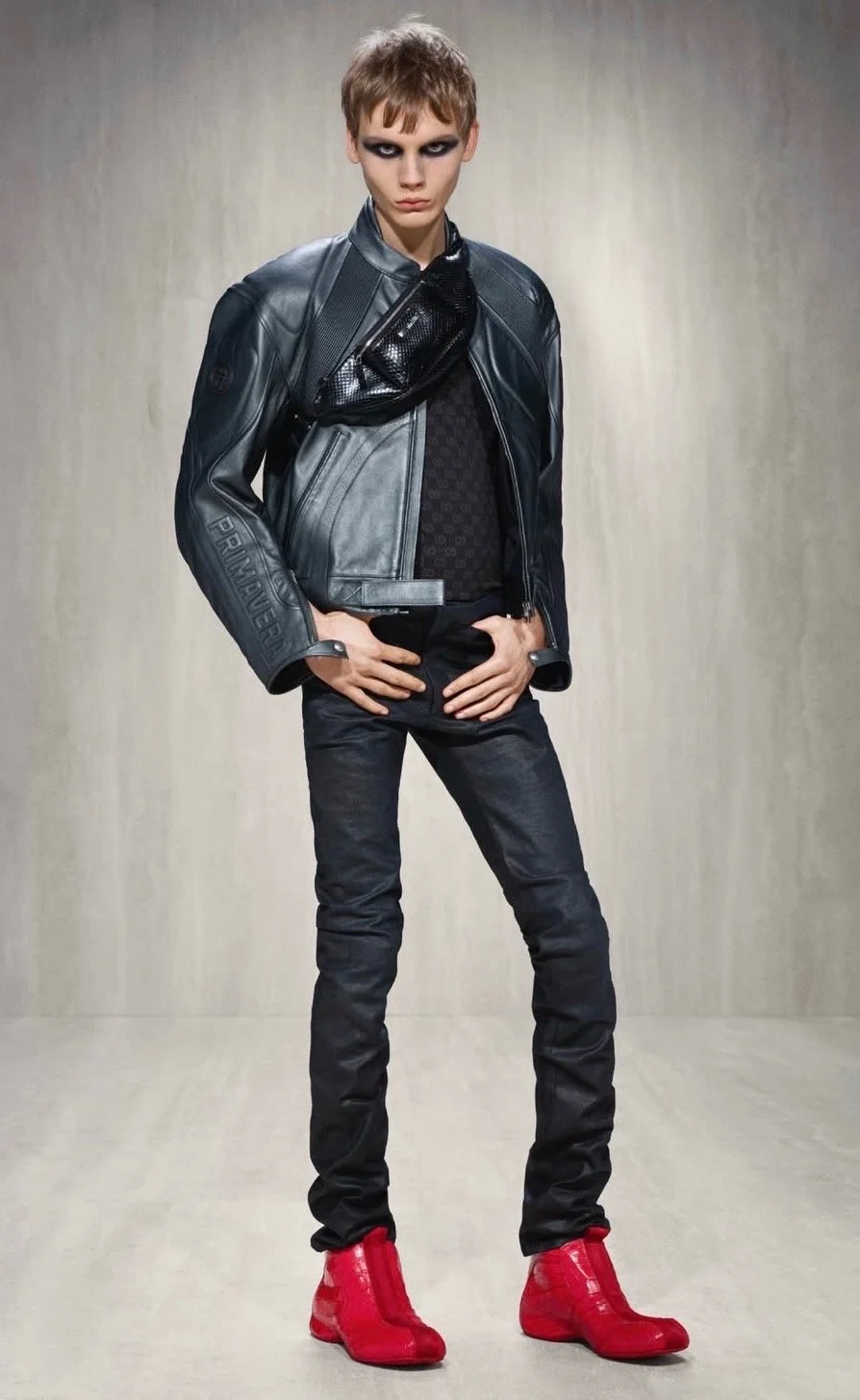
Demna’s latest show at Gucci looked a lot like him. The fashion world has grown critical of Demna’s repetition of the bottom up approach he previously explored at Balenciaga. Across social media, critics argue that the idea has run its course, dismissing it as unimaginative and calling for something new.
But this criticism raises a more interesting question about how the fashion industry steers the conversation away from certain aesthetics it doesn’t identify with. Specifically, the way these consumers are reduced to cultural moments that we have the right to grow bored of, rather than recognised as permanent participants in the luxury fashion space who are equally deserving of attention from fashion’s biggest houses.
On the runway, Demna didn’t elevate this archetype into something editorial, he reproduced it almost exactly. Under harsh fluorescent lighting that felt more club bathroom than couture salon, models marched past with stiff, almost confrontational expressions. All of them dressed exactly like characters you’d see outside a London rave at 2am. With casting choices like UK rapper Fakemink, American rapper Nettspend, and Scouse rapper EsDeeKid seated front row, the show felt less like a parade of aspirational fantasies and more like a gathering of people who already exist in the culture. The models stood almost like an army: cohesive, logo-forward and confident. Much less ironic and satirical than his previous work, Demna was aiming for visibility with these pieces.
And whether the fashion establishment likes it or not, this consumer is real.
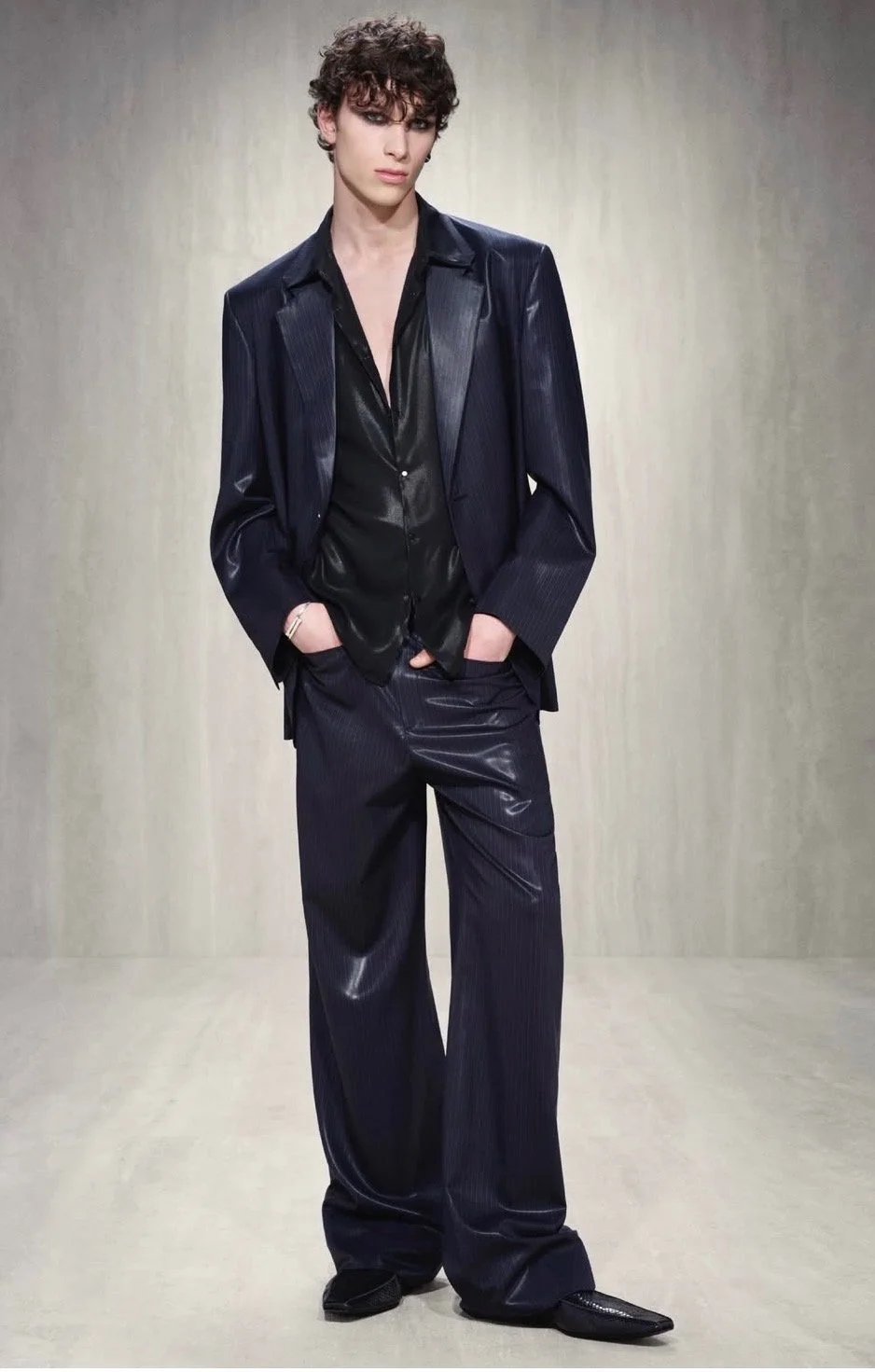
Gen Z is much more comfortable compared to prior generations in punching above their weight when it comes to luxury spending. There are Flannels stores sitting on high streets next to Wilkos and Primarks, and they aren’t going anywhere because the demand is there. The Gen Z luxury consumer is dropping £2k in Flannels, then going for a Maccies and happily sporting their new Gucci bag with Nike Air Forces in the grotty kitchen of someone’s house party.
We all know it. And a lot of us hate it.
I can’t deny that I myself am not so fond of this type of consumer. I can think of countless times where I’ve been scrolling on Hinge and come across a picture of a young man in a BMW with a Gucci fanny pack slung across his Nike tracksuit. I immediately swipe left, as if just looking at the photo reduces my fertility. I’m not saying it isn’t an ick. I’m just saying it exists, and it isn’t going anywhere.
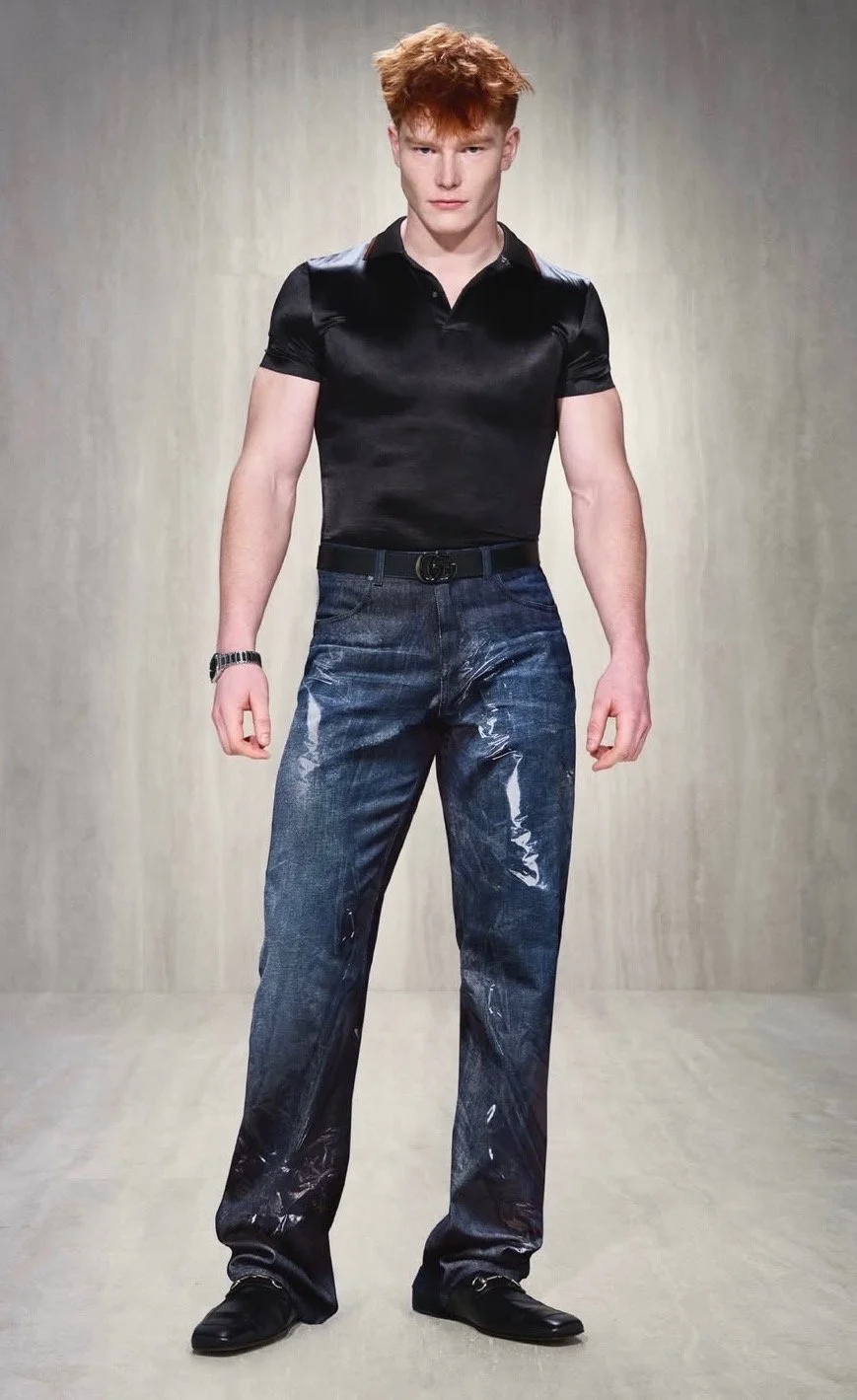
In fact, this consumer has been one of Gucci’s most loyal customers. The UK rap scene has name-dropped the brand for years, turning the monogram into a cultural symbol long before fashion critics rediscovered it. Gucci isn’t just worn, it’s sung about, flexed and mythologised through music. While critics debate craft and construction, youth culture is already breaking
in the trainers.
The emergence of this Gen Z luxury consumer can partly be attributed to social media. While previous generations saw designer items on red carpets and in glossy magazines, we grew up watching influencers unbox Chanel bags while having candid discussions about things like UTI medication and breakups. Relatability allowed us to form parasocial connections with luxury consumers, and consequently the gap between those who consume luxury and those who aspire to it closed.
Social media also made us acutely aware of the world around us, and as a generation plagued by uncertainty we’d rather “drink the good wine now” than wait for something that may never come. After a decade of dismantling labels surrounding gender, race and identity, designer labels don’t intimidate us in quite the same way. While fashion critics seem strangely precious about luxury items' proximity to polyester, Gen Z has no problem styling luxury accessories with Zara basics.
This industry-wide discomfort is reflected in the way the Gen Z luxury consumer is discussed. They are often treated as something to be moved past. A cultural presence the fashion industry would rather distance itself from than fully engage with. But in reality, this consumer doesn’t disappear. They keep buying the items, taking the photographs and mythologising these designer brands.
Critics see repetition. Gen Z sees normalisation. This consumer is not new, nor are they going anywhere. What the fashion world reads as overexposure is, in reality, the continued presence of a consumer it would rather distance itself from.
Demna didn’t invent this consumer. He simply refused to pretend they weren’t there. The boy you swiped left on isn’t a cultural moment.
He’s the market.