
The Fashion in Tell Me Lies Is Pure 2000s Perfection
There is something instantly familiar about the way Tell Me Lies dresses its characters. Created by Meaghan Oppenheimer and based on the novel by Carola Lovering, the popular Hulu series follows a group of college students navigating love, power, and emotional fallout, with the current season airing now. Before the story fully takes shape, the clothes establish the setting. Low-rise skinny jeans, lace trim camisoles, soft leather jackets, knee-high boots, and fitted cardigans are worn like an afterthought. It is the kind of wardrobe that defined a very specific moment in the early 2000s, when getting dressed was less about polish and more about feeling something.
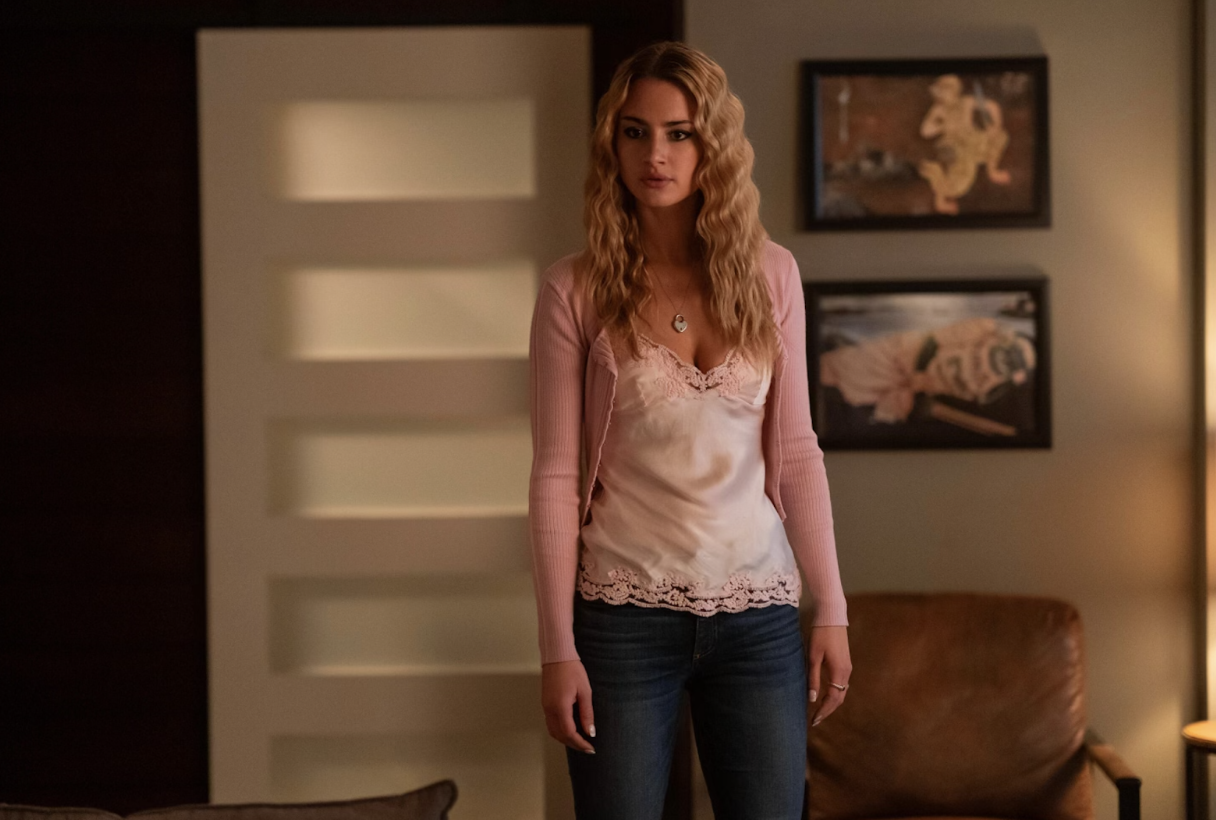
Photo via Marie Claire
What makes the fashion in Tell Me Lies so compelling is that it never feels like a costume. The clothes are not styled to announce an era or chase nostalgia for its own sake. Instead, they feel lived in. Messy. Slightly repetitive. Emotionally charged. These are outfits that look like they were pulled from a dorm room floor or thrown on before an impulsive late-night decision. That realism is exactly why the style feels iconic rather than dated.
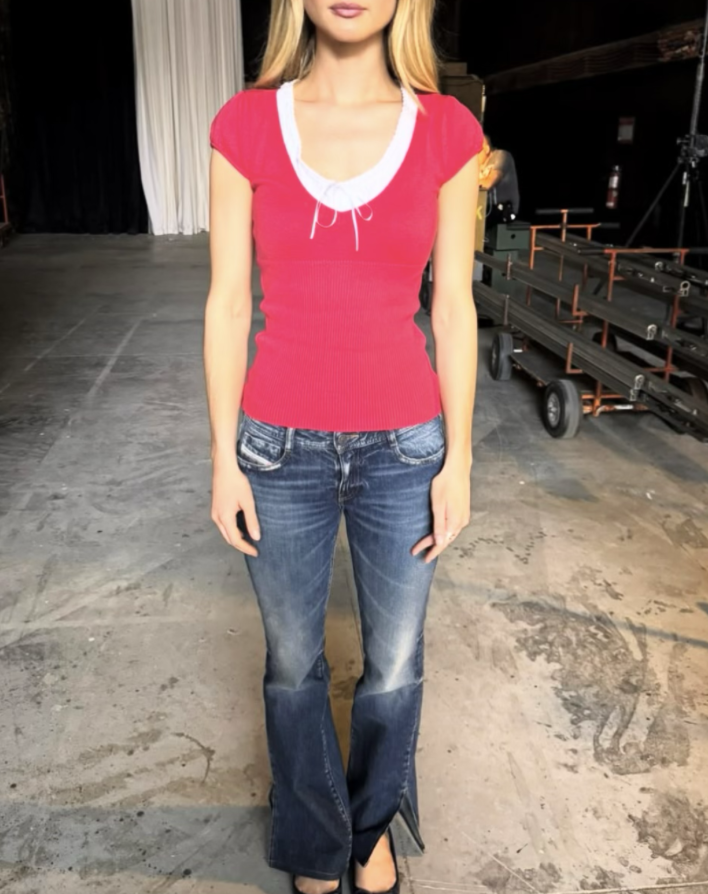
Photo via @charraqisven on Instagram. Costume design by Charlotte Svenson for Tell Me Lies.
The show’s wardrobe taps into a time when fashion was deeply personal but rarely perfected. Outfits were built around staples rather than trends. A lace cami might be worn three different ways across a season. A leather jacket becomes armor. Denim fits are intentional. Nothing looks overly curated, yet everything feels specific. This is early 2000s fashion as it was actually worn, not as it has been reimagined through TikTok or trend cycles.
Part of the magic is how the clothes mirror the emotional tone of the show. The silhouettes are slim and exposed, echoing vulnerability. Fabrics cling, wrinkle, and soften over time, much like the relationships at the center of the story. The wardrobe never distracts from the story, but quietly reinforces what the characters are experiencing. It makes the fashion feel inseparable from the narrative.
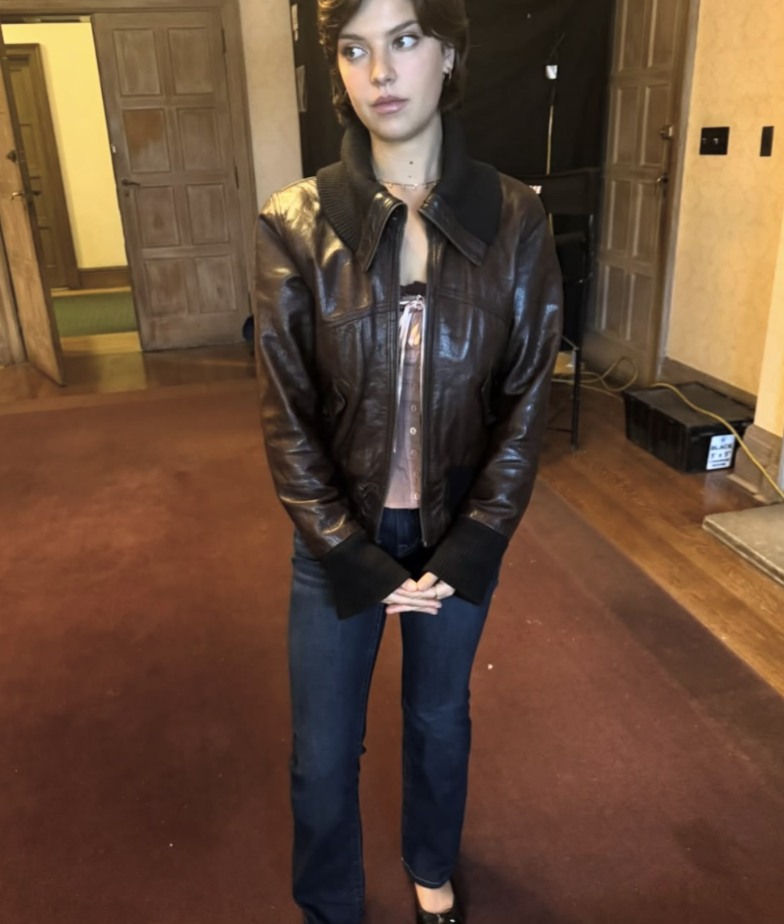
Photo via @charraqisven on Instagram. Costume design by Charlotte Svenson for Tell Me Lies.
Unlike many modern TV wardrobes that aim for aspirational perfection, Tell Me Lies embraces imperfection. The outfits are not designed to be screenshot-ready. They are designed to be believable. That believability is what makes them resonate. Viewers recognize these looks not because they are trendy, but because they feel remembered. They recall a time before social media dictated aesthetics, when style was more instinctive and less performative.
The wardrobe also resists the temptation to overcorrect for nostalgia. There are no exaggerated throwbacks or wink-wink references. Instead, the show trusts the simplicity of the era. A camisole with lace trim does not need embellishment. A pair of low-rise jeans speaks for itself. The restraint allows the fashion to feel timeless in its own way, grounded in emotion rather than spectacle.
Much of this authenticity can be credited to costume designer Charlotte Svenson, whose approach prioritizes character over trend. Her styling feels observational rather than declarative. It captures how people actually dressed when they were not trying to be seen, only felt. That perspective is what elevates the wardrobe from nostalgic reference to cultural snapshot.
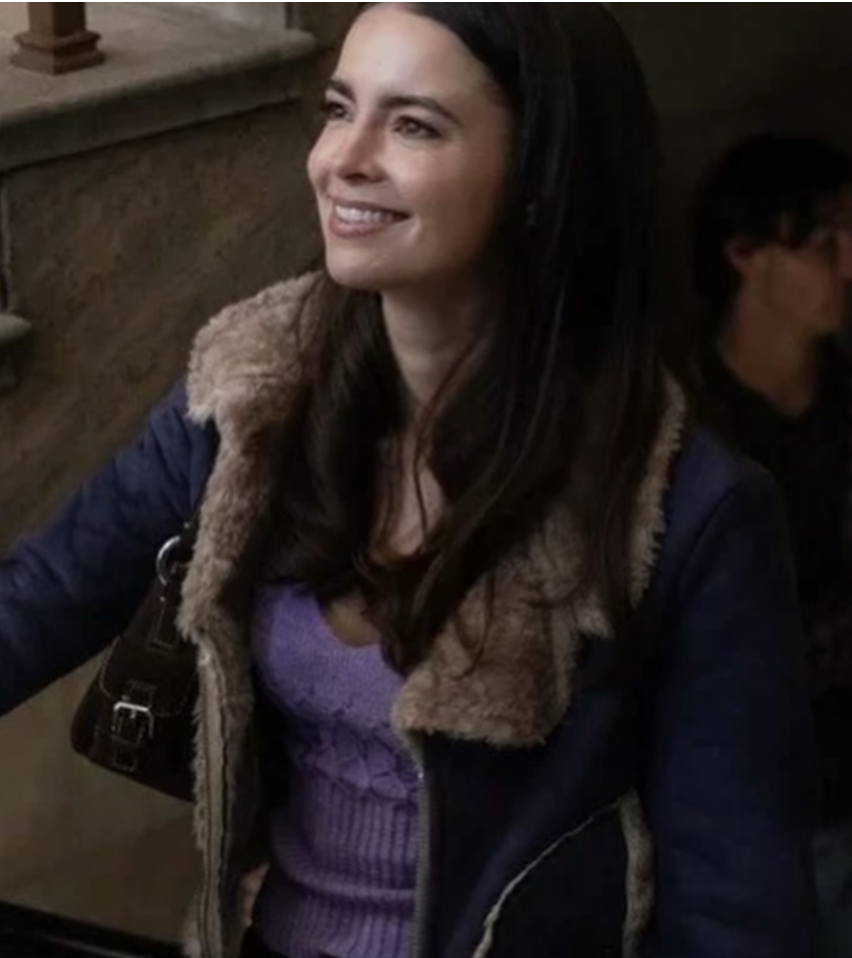
Photo via @charraqisven on Instagram. Costume design by Charlotte Svenson for Tell Me Lies.
In a media landscape saturated with hyper-styled, trend-driven looks, Tell Me Lies stands out by doing less. Its fashion does not chase relevance. It remembers it. The result is a wardrobe that feels emotionally honest, visually recognizable, and quietly iconic. It is 2000s fashion, not as fantasy, but as a lived experience.