
Kimjang: The Winter Tradition We Wait for All Year
There’s a tradition my family does every year right before the peak of winter that I, and many Korean families, look forward to: kimjang.
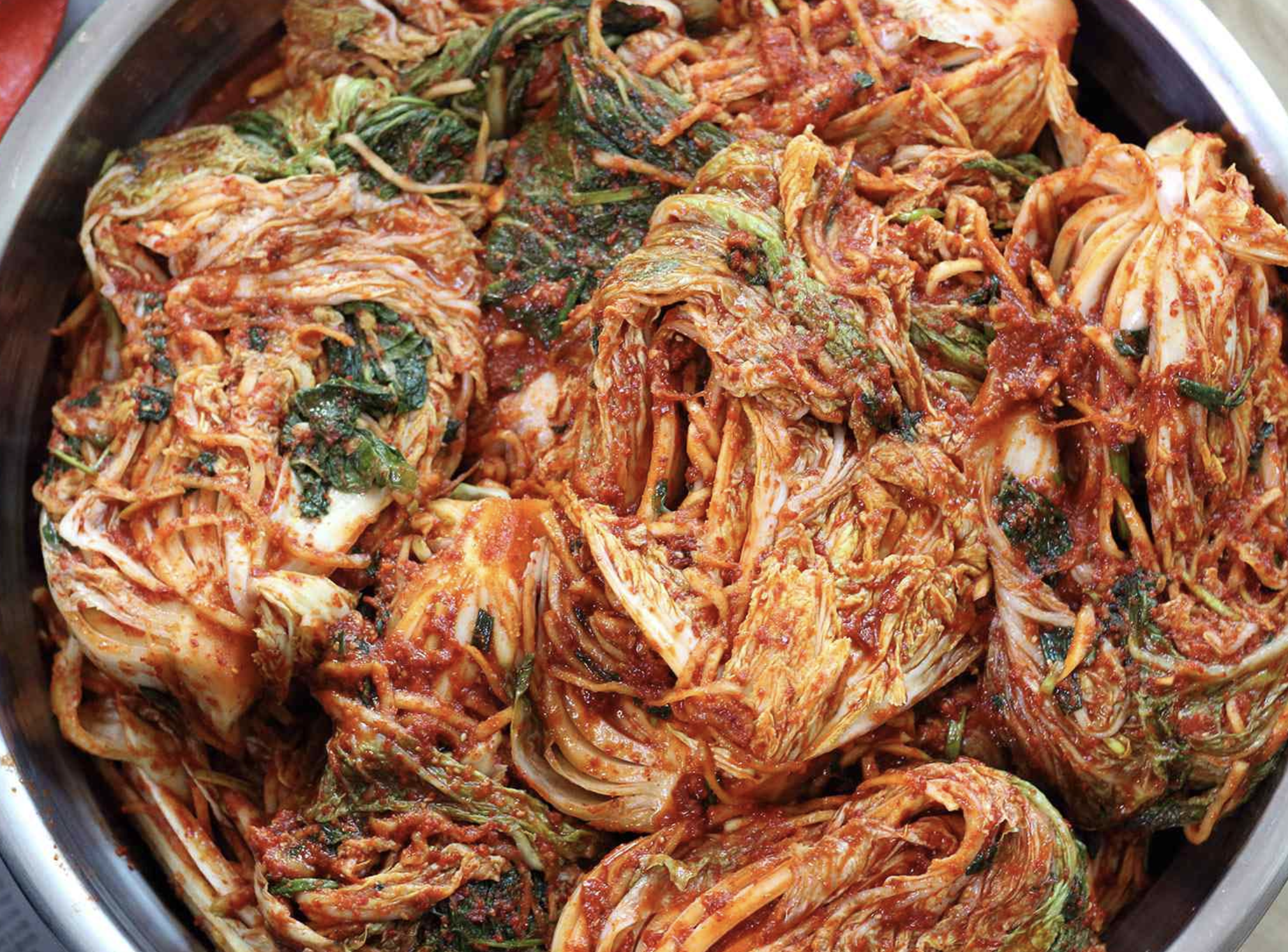
Kimjang is a practice where families gather to make large batches of kimchi to be stored and eaten throughout the winter. It’s more than just the act of making kimchi, though. It is a deeply rooted Korean tradition that represents community, family, and cultural identity. Practiced for centuries, kimjang typically takes place in late autumn, when families and sometimes neighbors come together to carry on this tradition. This seasonal ritual reflects both Korea’s agricultural heritage and its strong sense of togetherness.
Because kimjang is done in large groups, it’s all about preparation and sharing. Traditionally, before modern refrigeration, fresh vegetables were scarce during the winter. To ensure food security, families preserved napa cabbage, radish, and other vegetables through fermentation. These ingredients are mixed with seasonings such as chili pepper flakes, garlic, ginger, salted seafood, and green onions, which combine to create the bold flavors that define kimchi today. Each region in Korea—and often each family—has its own unique recipe, passed down through generations.
What makes kimjang especially meaningful to Koreans is the communal spirit behind it. Preparing kimchi in large quantities is incredibly labor-intensive and time-consuming, so people work side by side, each given specific roles. You’ll see people washing cabbages, mixing seasoning pastes, and packing containers or jars together. During this long process, you’re surrounded by family and friends, so stories are shared, laughter fills the space, and relationships are strengthened (or tested—based on my experience making it with my sister, oops). Once the kimchi is finished, it is often divided and shared with relatives, neighbors, or those in need, reinforcing values of generosity and care. I’m always so excited when my aunt tells me she’s finished her kimjang and is sending me a batch. There’s no feeling that compares to opening the smelly container, ripping off a piece of kimchi with your fingers, and taking a big bite. Yum.
Even in modern Korea, where kimchi can be easily purchased, many families still choose to participate in kimjang to preserve this meaningful ritual. Although kimjang may hold a smaller role in America, you can still see large piles of napa cabbage, radishes, and spices displayed at Korean grocery stores before the cold season. I’m incredibly fortunate that my family emphasizes the importance of homemade kimchi and that I get to experience this explosion of flavor every year. And the most rewarding part after kimjang? We typically boil some pork belly (bossam) and enjoy it with fresh kimchi—literally a match made in heaven.
Kimjang is a reminder that food is not only nourishment for the body, but also for the soul. Through kimjang, Koreans celebrate heritage, strengthen bonds, and honor the powerful act of coming together.