The TikTokification of Family Recipes
Scroll long enough on TikTok and you’ll eventually land in someone’s kitchen. A grandmother’s hands fold dumplings with practiced ease. A bubbling pot of stew simmers beneath captions promising “my family’s secret recipe.” In under sixty seconds, generations of knowledge are compressed, subtitled, and soundtracked. This is the TikTokification of family recipes—where heritage dishes don’t just get cooked, they get performed.
At its best, TikTok has become a living archive. Recipes once passed quietly from parent to child are now shared with millions, often by young creators eager to preserve their roots. For immigrant communities, especially, these videos can feel like home. A spoon scraping the bottom of a pan, a spice blend measured by instinct rather than teaspoons—these details matter. They counter the rigidity of cookbooks with something warmer and more human. Viral food, in this sense, can be an act of cultural care. But virality changes things.
TikTok rewards clarity, speed, and spectacle. Family recipes, by contrast, are often slow, imprecise, and deeply rooted in context. “Cook until it smells right” doesn’t translate easily to a platform that favors exact measurements and quick cuts. To survive the algorithm, dishes are streamlined. Ingredients are swapped for accessibility, steps are simplified, and flavors are adjusted to be more palatable. The result is often a version that looks right but tastes…adjacent.
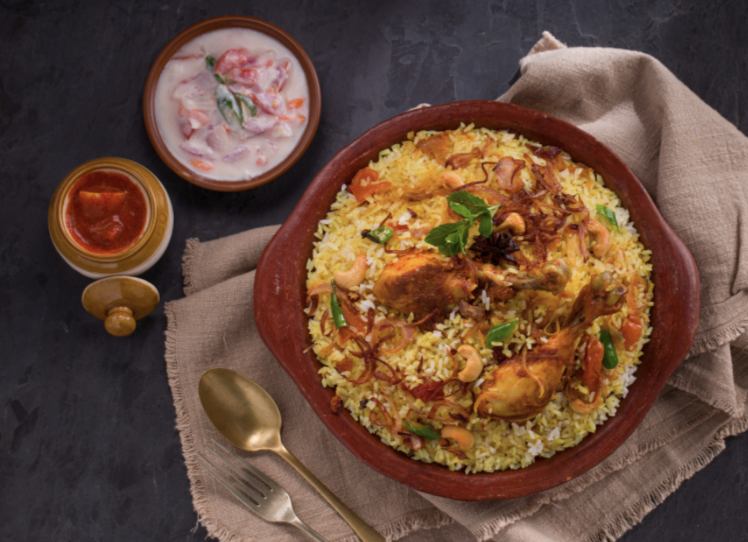
This isn’t necessarily bad—but it has its downsides. When a heritage dish goes viral, it can become the version in the public imagination, flattening regional and familial differences.
A single creator’s take on biryani, jollof, or pho can be mistaken for a definitive recipe, even though these foods are famously diverse. The comments sections tell the story: debates over authenticity, accusations of doing it “wrong,” and the quiet frustration of elders who know there was never just one right way.
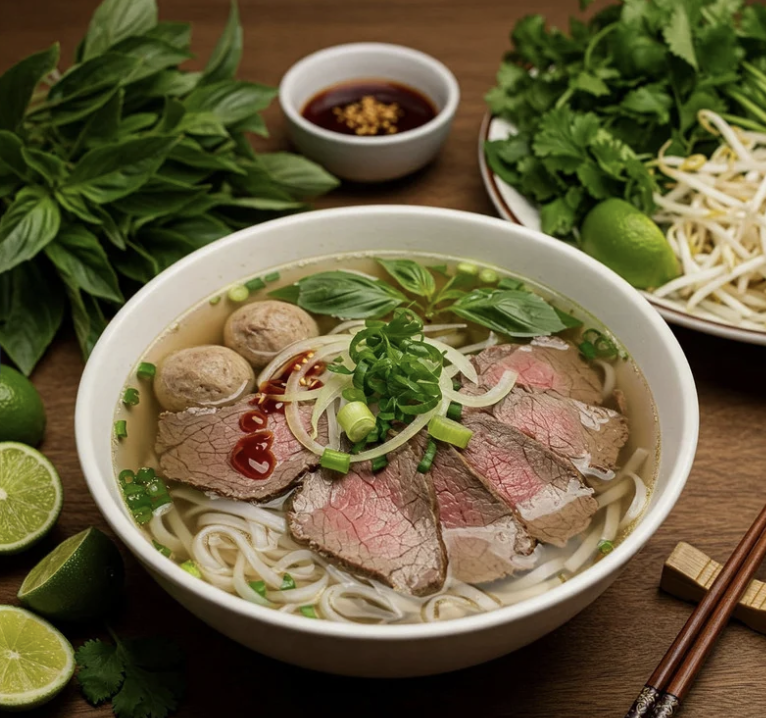
There’s also the question of ownership. When recipes tied to marginalized cultures gain popularity, they can be monetized quickly—sometimes by people outside the culture itself. A dish that once existed within a family or community can be rebranded, sponsored, and sold, detached from its history. Visibility brings opportunity, but it also raises ethical questions about credit, context, and respect.
Still, many creators are pushing back against this flattening. Some intentionally show the mess: the pauses, the substitutions, the moments of uncertainty. Others bring on their elders on camera, letting them speak—or cook—without rushing the process. These videos resist the pressure to over-polish, reminding viewers that tradition is not a trend but a practice.
So what happens when heritage dishes go viral? They evolve, as they always have. TikTok doesn’t invent change; it accelerates it. The challenge is not to freeze recipes in time, but to share them with care—to acknowledge where they come from, who they belong to, and why they matter.
In the end, the most powerful food videos aren’t just about what’s on the plate. They’re about tasting a memory—on and off the screen.