
More Than Just A Side Dish
When you think of Korean food, kimchi is likely the first dish that comes to mind—one of Korea’s most iconic and beloved culinary staples. Although known for its strong scented qualities, Kimchi is also spicy, tangy, and the best side dish that pairs perfectly with steaming hot rice. Kimchi comes in many forms like cabbage, cucumbers, radish, dandelion leaves, green onions; you name a vegetable and Koreans have probably made it. Most of these are served fermented, or as we like to call it “aged”, where we’ll leave it out or in a specific refrigerator for kimchi, until we decide it’s the perfect smelly ripeness of our liking. Now why are Koreans so obsessed with the idea of pickling and fermenting their foods? Pickling holds a deeply rooted significance in Korean culture and we’ll talk about why.
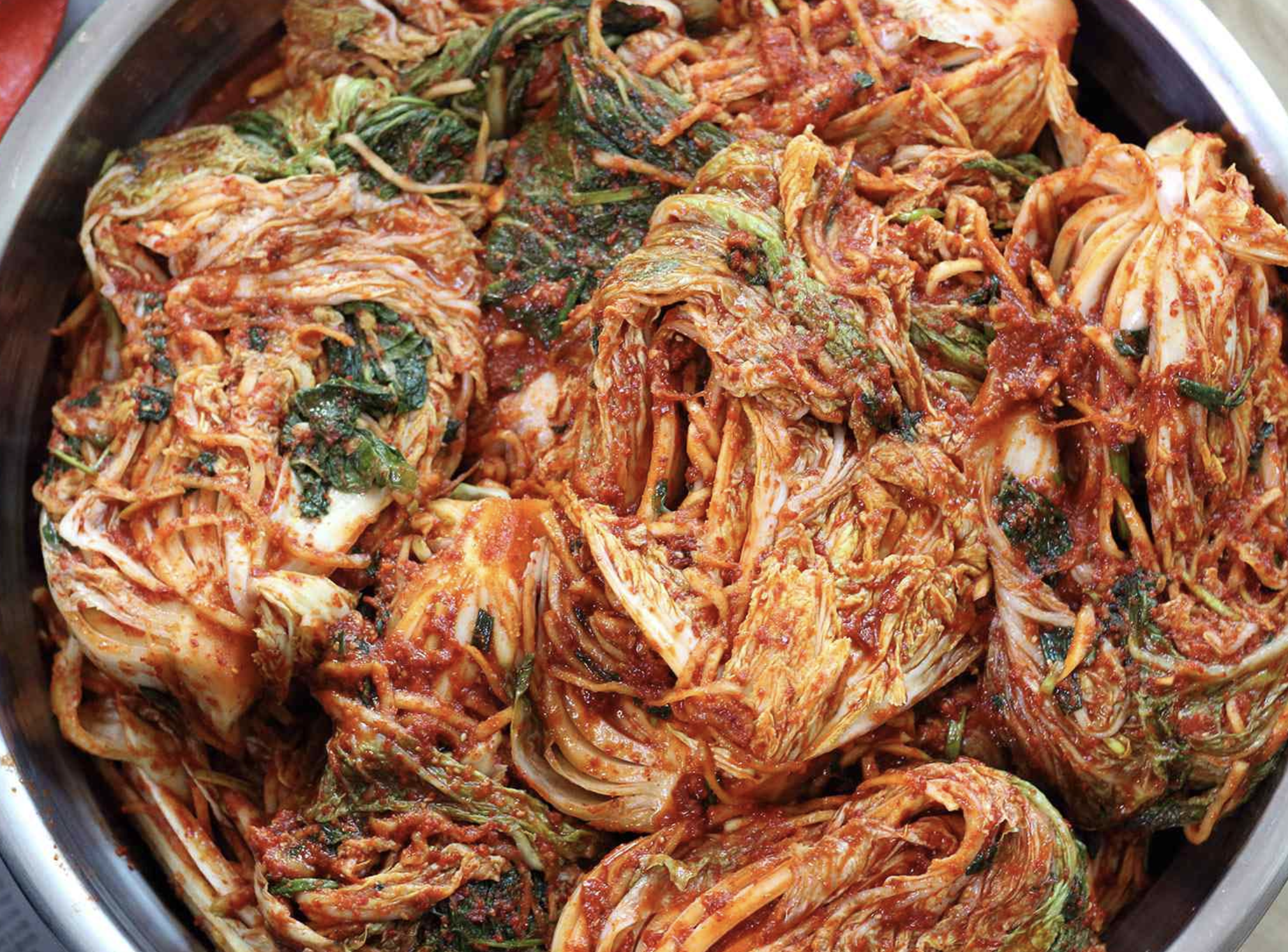
Traditionally, kimjang, the communal process of making large batches of kimchi, has been practiced by families and communities for generations, regardless of location. Even among immigrant families, kimjang continues to be a cherished tradition, often passed down to younger generations who help keep the cultural practice alive outside of Korea. This annual ritual, typically held in late autumn, began its practice to ensure a steady supply of preserved vegetables for the winter months. Not only do we create physical foods for days to come, the act of kimjang became a way to maintain social bonds and cultural continuity. The process of pickling in Korea is not only about food preservation. It is a symbol of shared heritage, collaboration, and ancestral knowledge passed down through the ages.
Kimchi, a staple in nearly every Korean meal, is more than just fermented cabbage. It embodies a beautiful balance of what makes Korean cuisine. Something that looks simple like kimchi is actually incredibly complex; blending spicy, sour, salty, and umami flavors that has been enjoyed by centuries of Korean people. The ingredients vary by region and season from around Korea, showcasing the diversity within Korean culinary traditions and their adaptability to the resources accessible to them. For many Koreans, kimchi is tied to identity and memory because of its long-lasting significance in the culture. It’s a taste of home and a representation of cultural pride that connects them to their roots, whether they live in the country or overseas.
Something I used to be embarrassed about when I was younger but have come to understand as I’ve grown older is why my mom always brings back pounds of various types of kimchi from our trips to Korea. I remember watching her and her sisters spend hours carefully wrapping giant mounds of fresh kimchi in layers of plastic wrap to prevent leaks and to keep the rest of our luggage from smelling. Irritated helping her drag five checked bags at Incheon airport, I asked her why we went through all that trouble when we could just buy “fresh” kimchi at the nearby H-Mart that was “good enough.” She told me that this was her way of eating her family’s food while being thousands of miles away. My mom, who immigrated to the U.S. in her early twenties, explained that her mother makes kimchi in a way no one else does; that it carries a taste and feeling she can’t find anywhere else. She told me she even packs her sister’s versions because her sister has stayed by their mothers side, learning and perfecting the passed down recipe. The distinctive tastes from my mother’s family kitchen offer her a deep sense of belonging and warmth, particularly during moments of homesickness.
For her, eating these foods, made by the hands of her family, is more than just about taste. It’s about connection. Each meal becomes a small reunion with the people and place she misses. What once was a daily routine has become a cherished ritual she experiences only a few weeks each year. Bringing back kimchi isn’t just about preserving food—it’s about preserving memory, emotion, and a sense of belonging. Now, I see that wrapped-up kimchi not as an inconvenience, but as a powerful act of love and longing. I actually feel like people who aren’t helping their mom unravel layers of plastic wrap to uncover their kimchi gems are missing out. There is nothing more satisfying than grabbing fresh cabbage kimchi by the whole, slapping it down on a wooden cutting board, and slicing bite size pieces while grabbing a few pieces for a little treat for yourself.
Renowned in Korean culinary tradition, kimchi is often hailed as a powerhouse ingredient. The diverse use of kimchi starts from the physical fermented vegetables itself to the juice that it is marinated with. If you have unfermented kimchi, consider fresh kimchi or “geotjeori 겉절이”, you can eat it quickly by adding it over a salad or eating it with bossam (boiled pork belly that is traditionally eaten with fresh kimchi during kimjang season). If you have “perfectly-riped” kimchi (based on personal preference), you can eat it with hot, spicy ramen or with freshly baked Korean sweet potatoes. With “over-riped” kimchi, you can make kimchi stews, kimchi pork belly hot pots, or fresh with some boiled tofu. Basically, Kimchi can be eaten at any moment of its fermentation period and be thoroughly enjoyed with so many combinations. Now, with that kimchi juice? My mom calls it her secret ingredient. With leftover kimchi juice alone, you can enhance the flavors of Korean soups like kimchi jiggae or seollangtang (Korean ox bone soup), in Kimchi fried rice, Korean kimchi pancakes, marinades for meats, etc! My mom sometimes even pours kimchi juice over her jook (rice porridge) when she’s looking for that extra flavor. Kimchi is breaking through the culinary world and society's palate as you’ll see kimchi juice used in grilled cheeses, cocktails, pasta sauces, dips, noodles, soups… you name it! Imagine how shocked I was to see kimchi on the menu at an American restaurant for the first time after being ashamed of eating it all my childhood!
Some fabulous spots in New York City that I’ve loved with some of the best kimchi-related bites are:
Nowon: Their legendary cheeseburger with a special kimchi sauce

Hyun: An AYCE A-5 Wagyu spot with one of the best classic kimchis I’ve ever had
Gurume: Their Berkshire Pork Kimchi Fried Rice is a flavor-packed, “elevated” version of my favorite comfort food!
Oiji Mi: The cucumber kimchi inside their Oiji Bowl is so refreshing and lovely. All of their kimchi served as side dishes to some of their options is absolutely delicious as well.
Tong Sam Gyup Goo Yi: Their sour kimchi—my personal favorite—is grilled alongside the pork belly on top of their traditional stone grills. When you’ve had kimchi grilled in pork fat or pork grilled in kimchi juice, you’ll understand the reason for my obsession.
Now that I told you about a million ways to enjoy Korea’s national food, here’s the pushing fact as to why you should LOVE and enjoy kimchi in your every day diet too! One reason kimchi remains a fan favorite across generations is its nutritional value and health benefits. Rich in vitamins, fiber, and probiotics, it supports digestive health and boosts immunity—qualities that have earned it global recognition as a “superfood.” Kimchi is great for gut health, which research links to improved mood and cognitive function. It also supports the immune system and may help lower cholesterol and blood pressure, thanks to its high levels of antioxidants and anti-inflammatory compounds.
Due to its health properties, versatility in cooking, and its powerful, familiar flavor that enhances even the simplest meals, Kimchi continues to appeal to both older and younger generations. No matter the age, you’ll see Koreans enjoy kimchi with every meal! Its popularity has remained strong for centuries, passed down through family traditions and preserved in every Korean household. Whether served alongside rice, added to stews, or used in fusion dishes, kimchi is not only a staple but a symbol of cultural pride. Even in modern times, with shifting food trends and fast-paced lifestyles, kimchi remains a beloved comfort food that keeps generational relationships alive and brings people together around the table.
In a rapidly modernizing society, kimchi also represents resilience and continuity. Even as new food trends emerge, Koreans consistently return to kimchi as a source of identity and nourishment. It’s not just a side dish to us, it’s a cultural treasure that is unlike any other culture and makes us unique. Through centuries of change, conflict, and globalization, kimchi remains a beloved symbol of Korean perseverance, adaptability, and the enduring importance of tradition in daily life.