
Not Just for Decoration
If you watched Culinary Class Wars, you probably remember one of Anh Sung-jae’s biggest red flags: flowers used purely for visual aesthetics. Chef Anh firmly believes that every ingredient should serve a meaningful purpose. If a garnish is added solely for decoration without contributing to the flavor, aroma, or texture of a dish, he considers it an unnecessary addition and, ultimately, a waste of an ingredient.
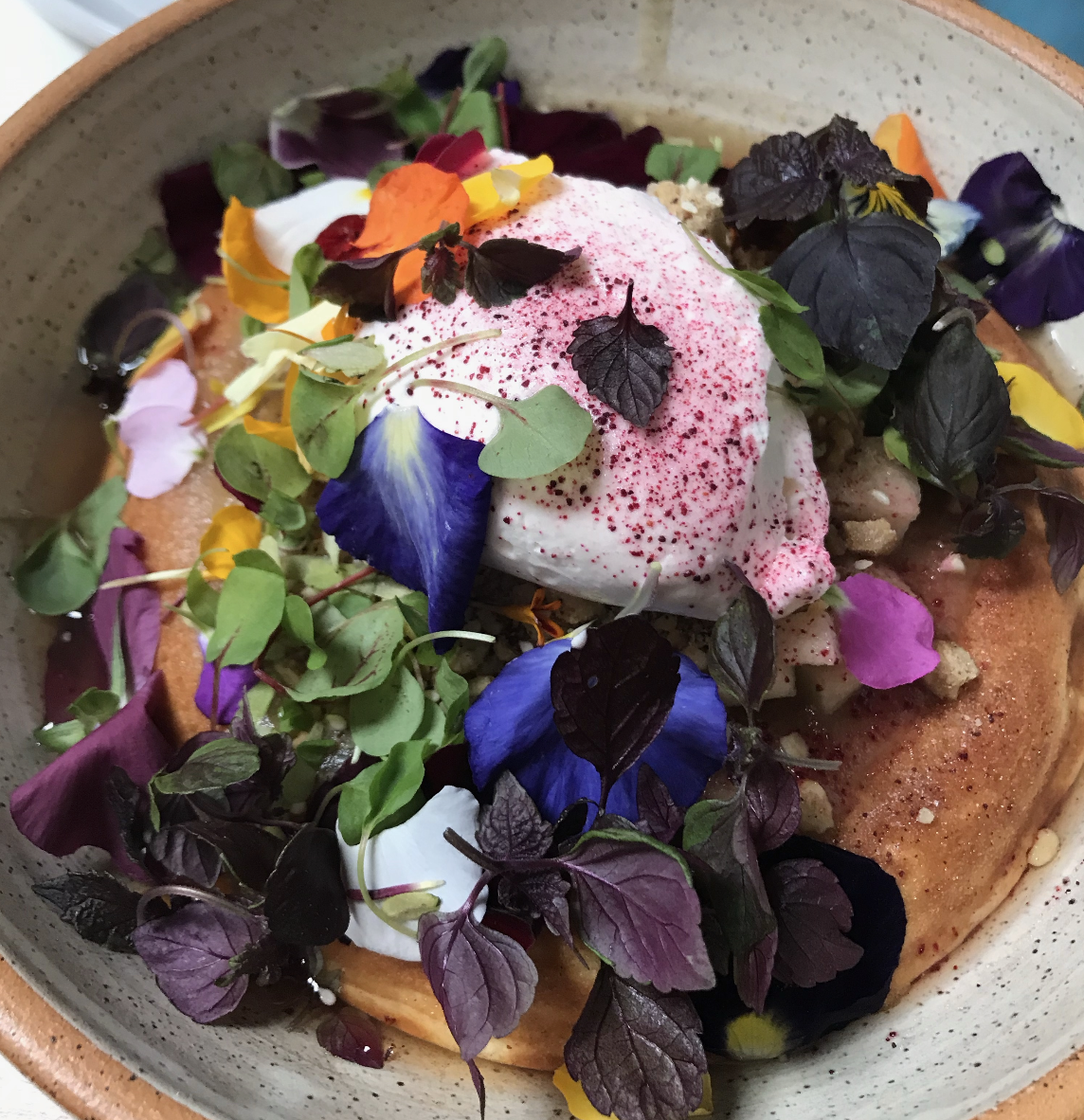
I hate to admit it, but I am a sucker for a beautiful plate. I love intricate presentations and dishes that arrive looking like actual works of art. However, after hearing someone with such a different perspective explain his reasoning, I have started paying much closer attention to the ingredients in my meals.
Before you call me snooty, this philosophy applies far more to fine dining than to casual restaurants. If I am at my neighborhood sushi spot and a hibiscus flower appears on my plate, I am not going to deduct points. But if I am dining at a high-end restaurant, you can bet I will analyze that flower.
I honestly never considered flowers to be ingredients until I was introduced to fine dining in my mid to late twenties. When I think of flowers, I think of plants, bouquets, and decorations for the home or garden. Yet with the rise of fine dining and the explosion of “Instagrammable” restaurants around New York City, edible flowers have become increasingly common on the plate.
Of course, not every flower is edible, pesticide-free, or non-toxic, which hopefully goes without saying. We should not be plucking random flowers from the sidewalk and tossing them into a salad. However, there are several edible flowers that offer much more than visual appeal. These blossoms introduce unique flavors, textures, and aromas that can elevate a dish in meaningful ways.
Nasturtiums: These vibrant, lily pad-like flowers are easy to grow and known for their peppery bite. Both the petals and leaves are edible, and their flavor is often compared to watercress. They are also rich in vitamin C.
Pansies: Often seen atop fresh green dishes, pansies have a mild sweetness and subtle grassy notes. Some people compare their flavor to mint, making them a popular choice for salads, desserts, and cake decorations.
Lavender: Fun fact: my mom cannot smell lavender. Apparently, she has a genetic trait that prevents her from detecting its scent, which is wild to me considering lavender is known for its strong floral aroma. In cooking, lavender adds sweet, citrusy notes and frequently appears in desserts, ice creams, meats, and baked goods.
Squash Blossoms: Commonly found in Italian, Indian, and Mexican cuisines, these large yellow or orange flowers have a delicate sweetness. Their velvety texture makes them ideal for stuffing with cheese, frying until crisp, or adding to pizzas and salads.
Edible flowers can completely transform the appearance of a dish, but when chefs use them intentionally for their flavor, aroma, or texture, they offer so much more than visual appeal. Incorporating flowers into cooking is not simply about creating a beautiful plate. It is a creative way to engage all the senses. By stepping outside our everyday ingredients, we can create dining experiences that are just as delicious as they are beautiful.